Squash & training

Train the rally, not just the swing.

Our programs connect technique, movement and decisions. Choose a level, work through a clear training block and use match play to see what transfers under pressure.

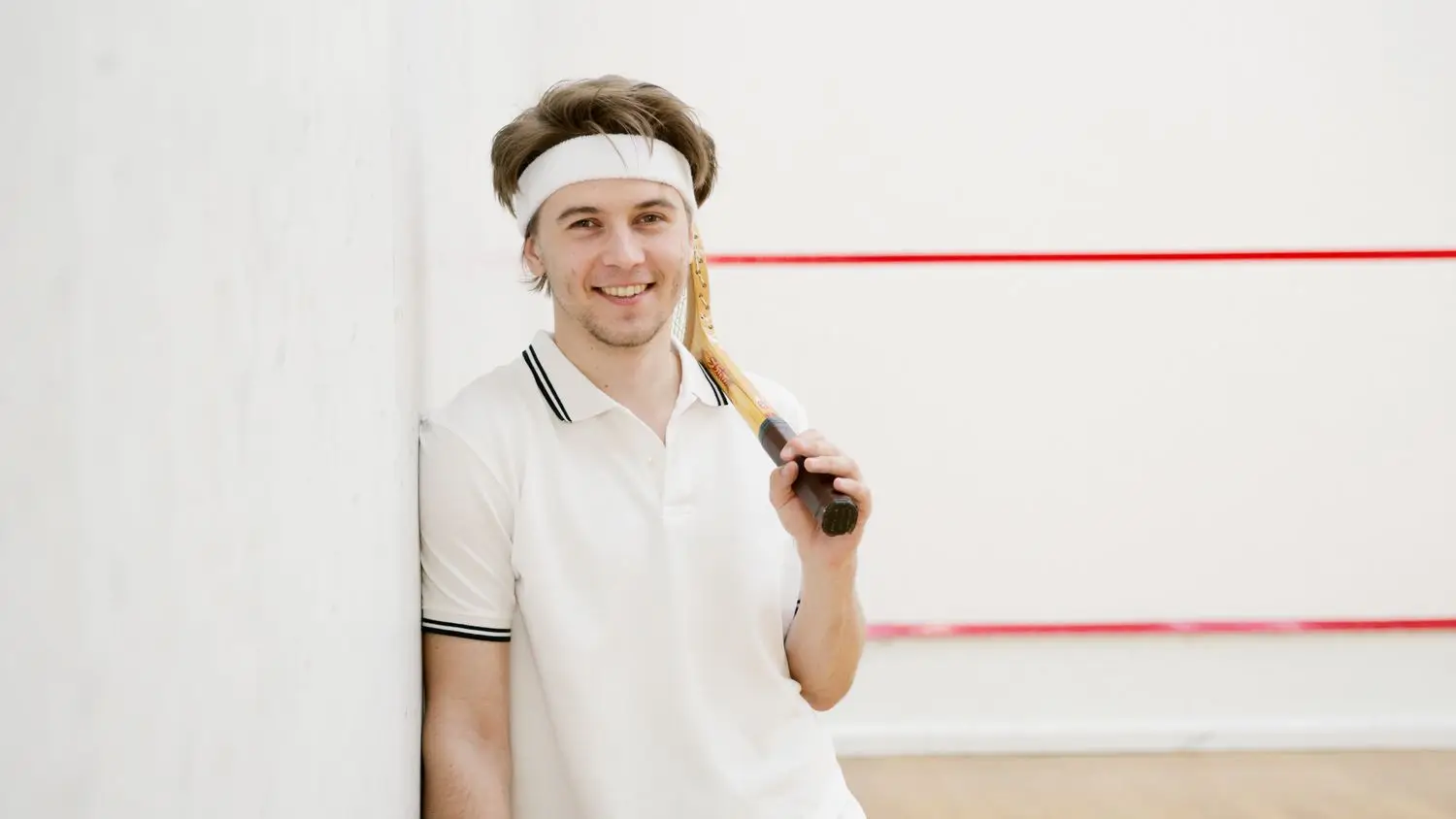
Squash practice session taking place on a bright court
Program pathways

Choose by playing need, not by a vague label.

If you are uncertain which group fits, tell us how long you have played and what a typical rally feels like. We can guide you to a practical starting point.

New to squash

First Court

Learn safety, court lines, scoring, grip, basic swing shape and where to recover after the shot. The goal is to make your first rallies understandable and repeatable.

  • Basic serve and return
  • Straight drive introduction
  • Movement around the T
  • Simple scoring and lets
Foundation

Rally Builder

For players who can rally but want more consistency. Sessions focus on early preparation, balanced movement and using length to create time.

  • Drive accuracy and depth
  • Recovery after the shot
  • Volley positioning
  • Conditioned length games
Intermediate

Pressure & Pattern

Develop purposeful pressure through width, pace changes and better shot selection. Drills move quickly from feeds into live situations.

  • Boast and counter-boast patterns
  • Attacking from a weak return
  • Holding the middle under pressure
  • Structured match scenarios
Advanced

Match Craft

For experienced players who need sharper tactical execution. Work on tempo, deception, opponent reading and building a plan over several games.

  • Tempo and rhythm changes
  • Front-court options
  • Serve-return patterns
  • Post-game tactical review
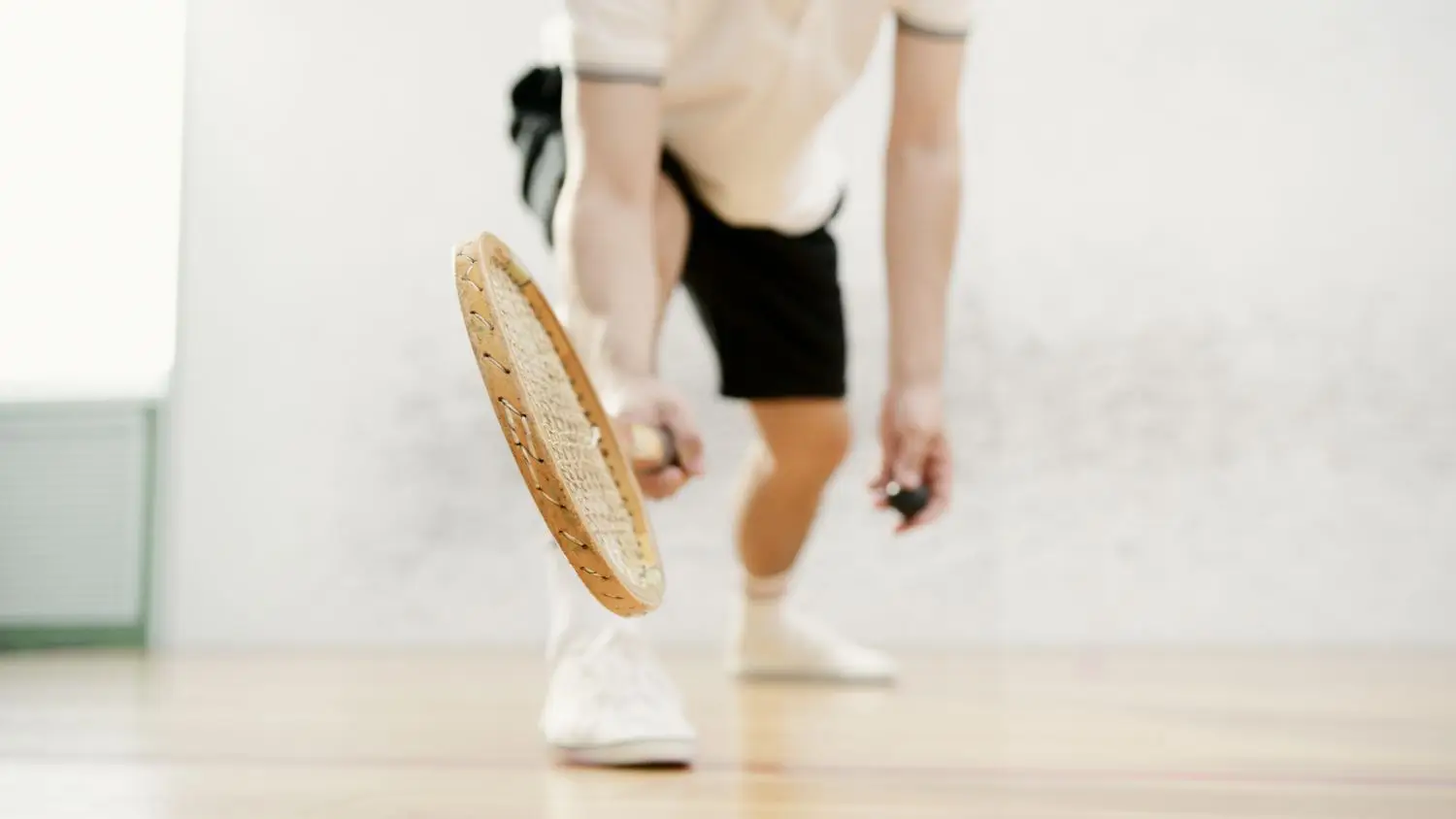
Close view of a squash player's footwork during movement practice
Movement before speed

Get to the ball in a shape that lets you play.

Fast feet alone do not solve movement. The useful question is whether you arrive balanced, early enough to see options, and able to recover without losing the next phase of the rally.

  • Split-step timing and first movement.
  • Efficient routes into the front and back corners.
  • Spacing from the ball for a full swing.
  • Recovery patterns that protect the middle of the court.
A typical training block

One theme. Several levels of pressure.

Each session moves from information to repetition and then into decision-making.

01

Frame the skill

Define the shot, movement or tactical problem and the cues that matter.

02

Control the task

Use feeds, solo work or cooperative drills to stabilize the movement.

03

Add a choice

Introduce options so the player must read the ball and choose rather than repeat blindly.

04

Play it live

Finish with conditioned or open games that test whether the skill survives normal rally pressure.

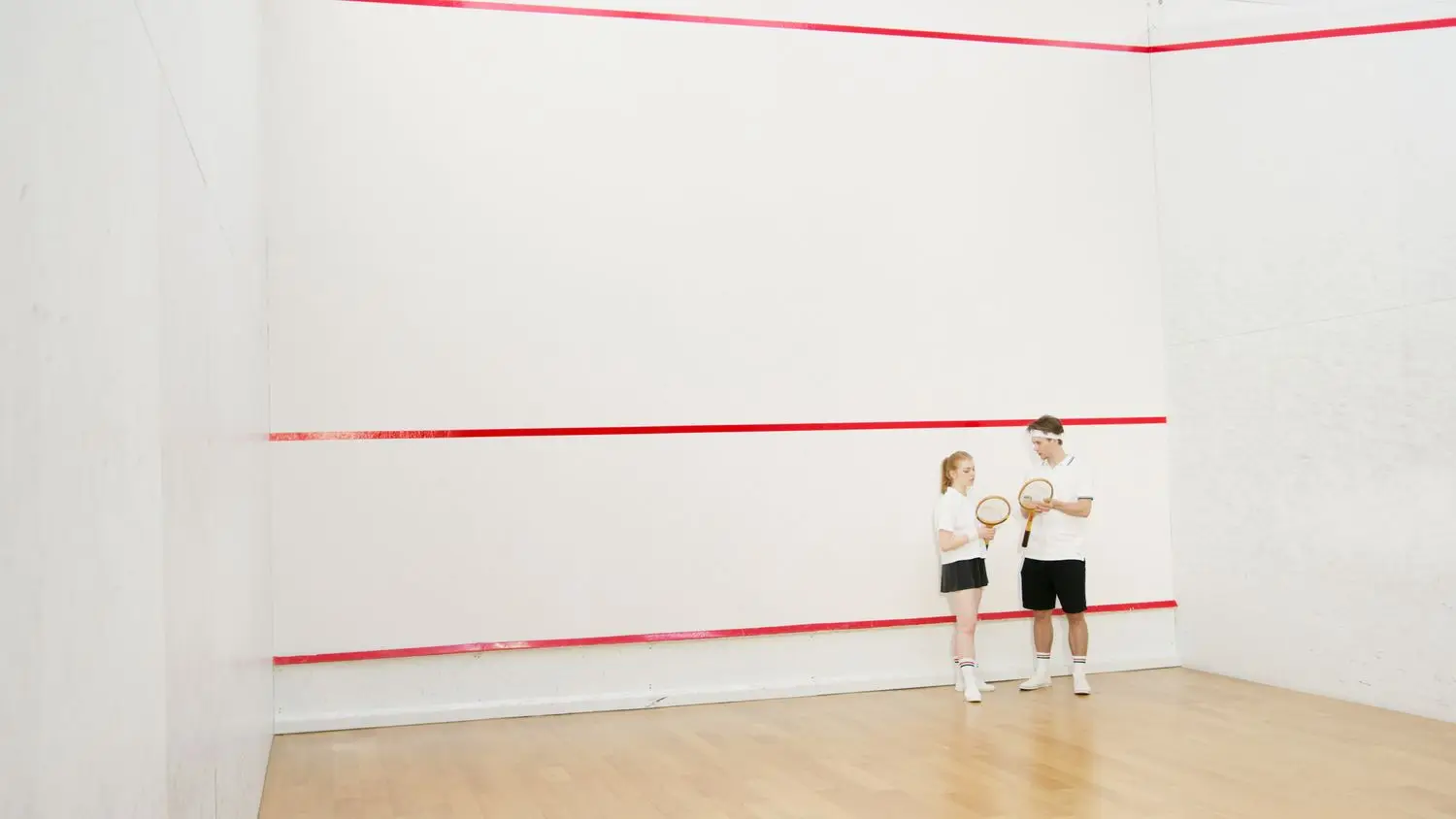
Squash player holding a racket beside the court wall
Individual sessions

Use one-to-one time for specific problems.

Private coaching is most useful when the target is narrow enough to measure. Bring a shot, movement issue or match pattern you want to examine and we can build the session around it.

Examples include improving length from the backhand side, making the return of serve more reliable, finding better front-court spacing or learning how to manage a faster opponent without rushing every shot.

Club games

Training becomes real when the rally stops cooperating.

Match play exposes the timing, habits and tactical choices that controlled drills cannot fully reproduce. We use games as information, not only as a score.

Conditioned games

Restrictions such as length-only scoring or bonus points for specific patterns make a tactical theme visible.

Matched play

Players are paired by practical level so rallies are competitive enough to create decisions without becoming chaotic.

Review points

After games, identify one pattern that worked and one that deserves attention in the next training block.

Inside a training block

Each session should connect to the rally you want to play.

The exact exercises change by level, but a strong session normally moves from a clear technical or tactical theme toward decisions that look increasingly like real squash.

Preparation

Set the movement and racket picture

Players first understand the spacing, target and body position required for the theme. For a length session this may mean arriving beside the ball with enough room to swing and sending the ball through a defined channel. For a volley session it may mean reading the opponent earlier and moving before the ball reaches the back half of the court.

Repetition

Build a reliable version

Controlled repetition is used long enough to create a recognizable pattern, but not so long that the exercise becomes detached from play. Targets, tempo and recovery position matter on every repetition so the player learns the whole action rather than only the strike.

Decision

Add a choice that matters

A second option changes the task. The player may choose straight or crosscourt, length or short, volley or let the ball pass, depending on a feed or opponent position. The aim is to connect perception with technique instead of making the correct shot known in advance.

Transfer

Finish with rally pressure

Conditioned games give the theme a score, consequence or tactical objective. A player might earn an extra point for creating a volley, be required to establish length before attacking or start each rally from a serve-return situation. This makes the session easier to transfer into normal games.

A broader skill map

Technique, movement and tactics should develop together.

Players often arrive asking for one shot. The useful question is usually larger: what situation produces the problem, and what combination of skills would make that situation easier?

Racket skills

Grip, preparation, contact point, swing direction, control of height and pace, volley timing, serve and return, straight and crosscourt accuracy, and the ability to change target without losing balance.

Movement skills

Split step timing, efficient first movement, approach to the ball, stability through contact, recovery to useful space, movement out of the back corners and safe awareness of the opponent's line.

Match skills

Building length, recognizing loose balls, varying tempo, using the front court with purpose, managing risk, responding to different opponents and reviewing patterns between games instead of chasing individual mistakes.

Squash player working on racket preparation and timing
Practice outside coached sessions

Make independent court time more deliberate.

A player does not need a complicated plan for every solo or partner session. A small number of measurable constraints can make independent practice much more useful.

Solo work can focus on repeatable targets, height above the service line, the number of consecutive drives or the ability to alternate between straight and crosscourt without losing control. Partner work can add movement and decision-making through boast-drive patterns, length games, volley conditions or restricted target areas.

When practising without a coach, keep one main objective and record something observable: successful targets, longest controlled sequence, number of rallies that reached a tactical condition or a short note about what changed when the task became harder. That information gives the next coached session a better starting point.
Ready to train?

Tell us your current level and we will help you choose a sensible first session.

Plan a visit