A
Clarity
Every drill has a purpose, a scoring condition or a visible technical outcome.
Quellarivienne is a Toronto squash club focused on the complete playing experience: learning the game, training with intent, finding opponents and turning practice into confident match play.

The sport asks for technique, speed, positioning, anticipation and calm decisions inside a small space. Our role is to make those demands teachable.
Sessions are organised around observable skills. Instead of vague instructions, players work with clear targets: get the racket prepared before the bounce, recover with balance, create length before attacking short, and recognize when a rally is asking for patience rather than force.
That structure is matched by a social playing environment. Training matters more when there are people to rally with, games to test it in and enough variety to keep the court interesting.
The details change by level, but the learning environment stays consistent.
Every drill has a purpose, a scoring condition or a visible technical outcome.
Skills are layered from controlled repetition into movement and then into game pressure.
Technique is connected to the tactical reason for using it, not taught in isolation.
A useful skill must survive outside the drill. Sessions therefore finish by connecting the technical cue to a rally condition, a tactical choice or a match situation where the player has to recognize when the skill is actually appropriate.
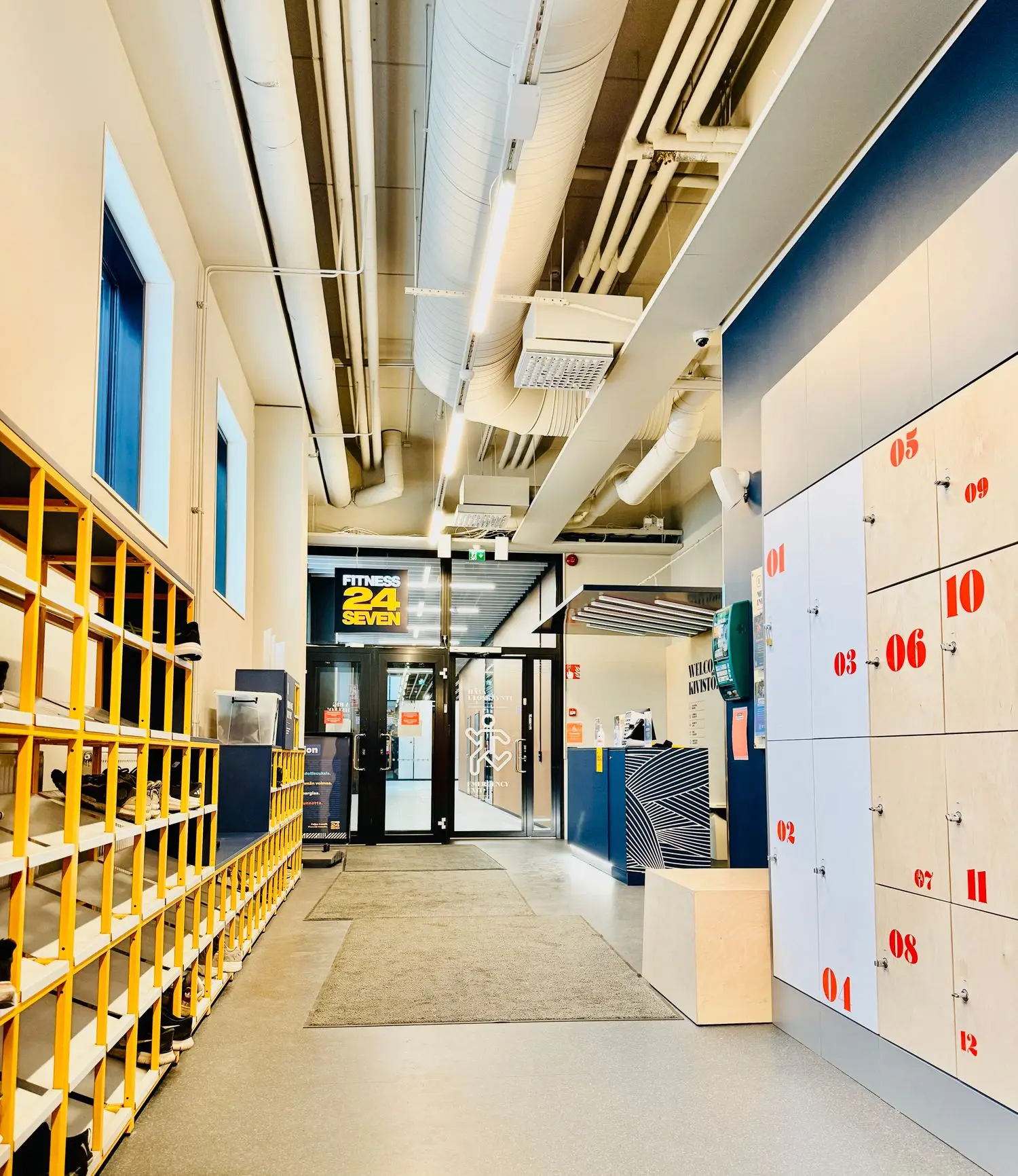
A useful club should remove friction around playing. We keep sessions easy to understand, provide clear arrival guidance and help players choose an appropriate level before they step on court.
Players are encouraged to ask why a drill works, what to notice during a rally and how to recognize progress. Understanding the game is part of learning the game.
Grip, swing path and racket preparation are linked to the shots they are meant to produce.
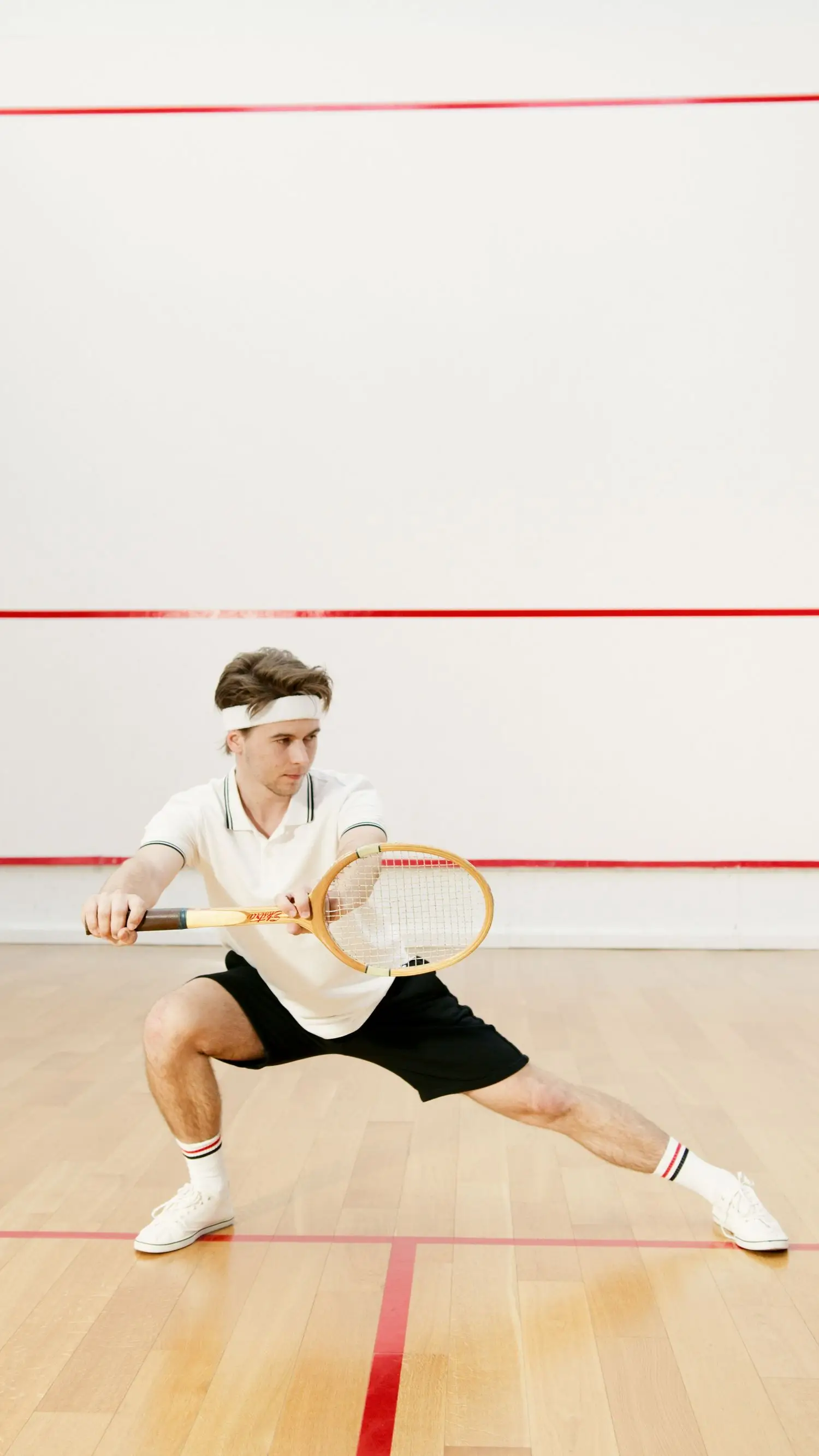
Footwork is trained around the ball, opponent and recovery position rather than as a separate fitness pattern.
Conditioned games make choices visible so players can adjust instead of guessing what went wrong.
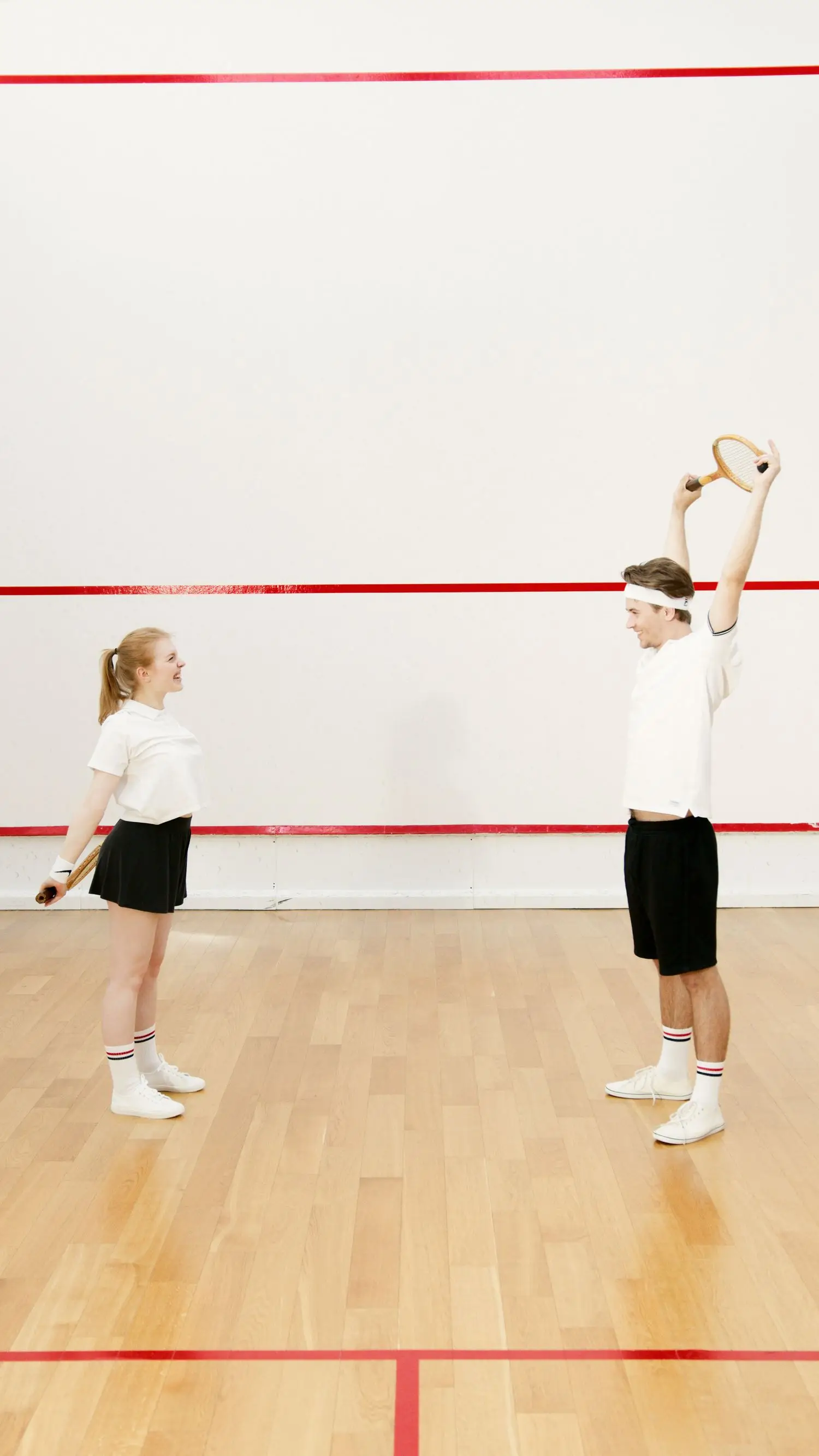
Quellarivienne treats improvement as a sequence of observable changes. The goal is to know what you are practising now, what success looks like and what should become more difficult next.
We look at rally length, movement habits, racket preparation, shot control and current match experience. A baseline is descriptive, not a label: it identifies the situations that are already reliable and the situations that break down first.
A training block works better when it has a clear centre. That might be recovering after a straight drive, creating more consistent backhand length, returning serve with control or making better choices when the ball sits up around mid-court.
Once a movement or shot is repeatable, the drill becomes less predictable. The feeder moves, the target changes, a choice is added or a conditioned rally begins. This is where a technique starts becoming a playing skill.
Games reveal whether the new habit survives pace, fatigue, uncertainty and an opponent with different intentions. Feedback then focuses the next block rather than restarting from a generic list of exercises.
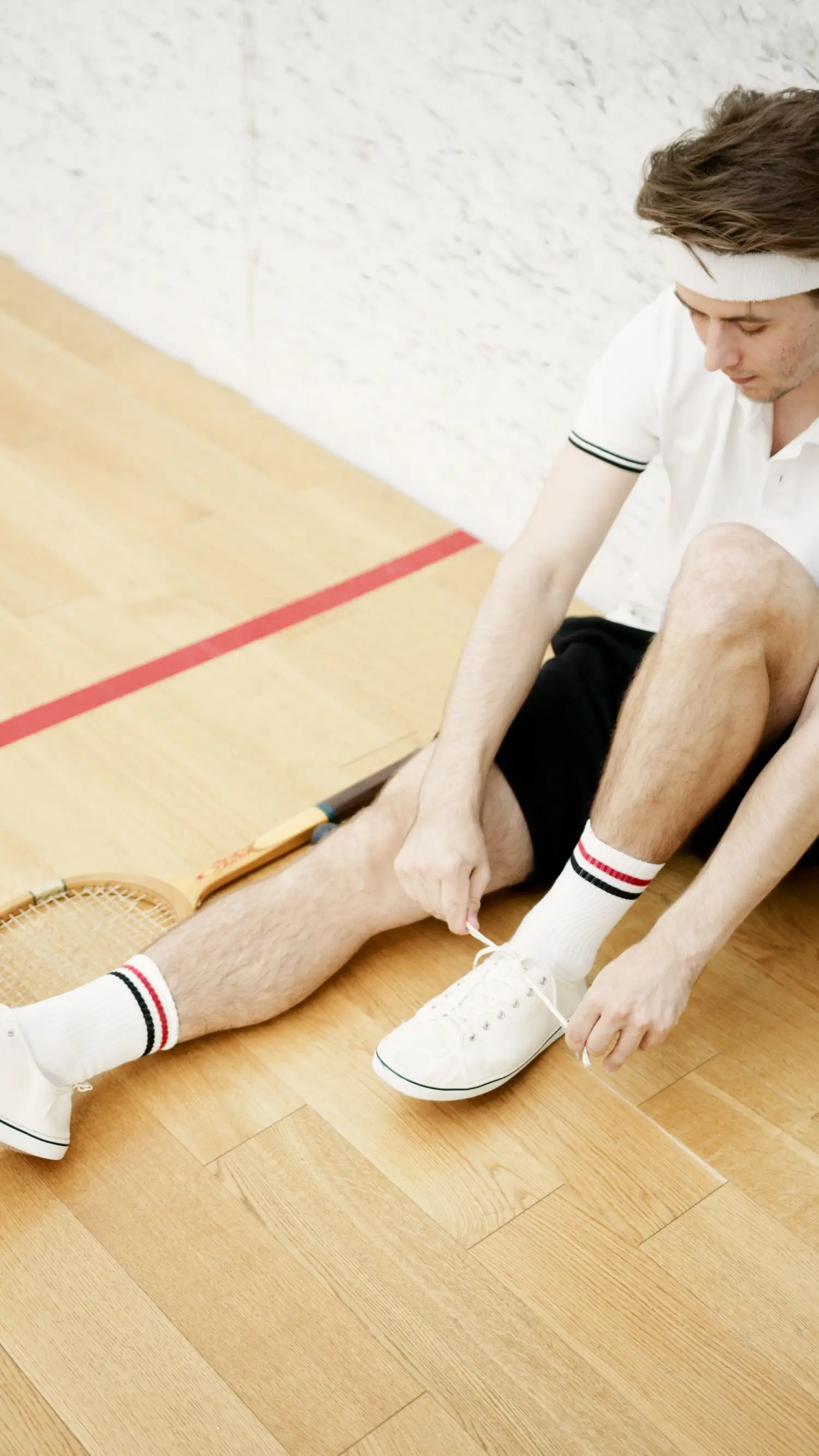
Useful feedback tells a player what happened, why it mattered and what to try on the next repetition. It should reduce confusion, not create five new thoughts at once.
During technical work, cues may focus on preparation, spacing or contact point. During movement work, they may focus on the relationship between the ball, the T and the direction of recovery. During conditioned games, feedback shifts toward shot selection, rally construction and recognition of pressure.
We also value self-observation. Players are asked what they saw, which option they considered and whether the result matched the intention. That habit makes learning more durable because the player is not dependent on a coach narrating every rally.
Progress is also treated as contextual. A player may execute a shot well in a closed drill and still need time before the same choice appears reliably in a match. We distinguish those stages so a temporary breakdown under pressure is used as information about the next practice task rather than treated as evidence that the whole technique has failed.
The club environment supports that process by giving players different types of court time. Technical practice offers repetition, conditioned games make a theme measurable, and ordinary match play exposes habits that only appear when the rally becomes unpredictable. Moving between those formats helps a player understand not only how to perform a skill, but when it is useful and what tends to disrupt it.