01
Learn the court
Understand spacing, recovery to the T, safe movement patterns and the geometry behind straight length, crosscourt and short play.
Quellarivienne brings squash games, coached practice and skill development into one focused club experience. Train at your level, meet reliable playing partners and build a game you can understand under pressure.
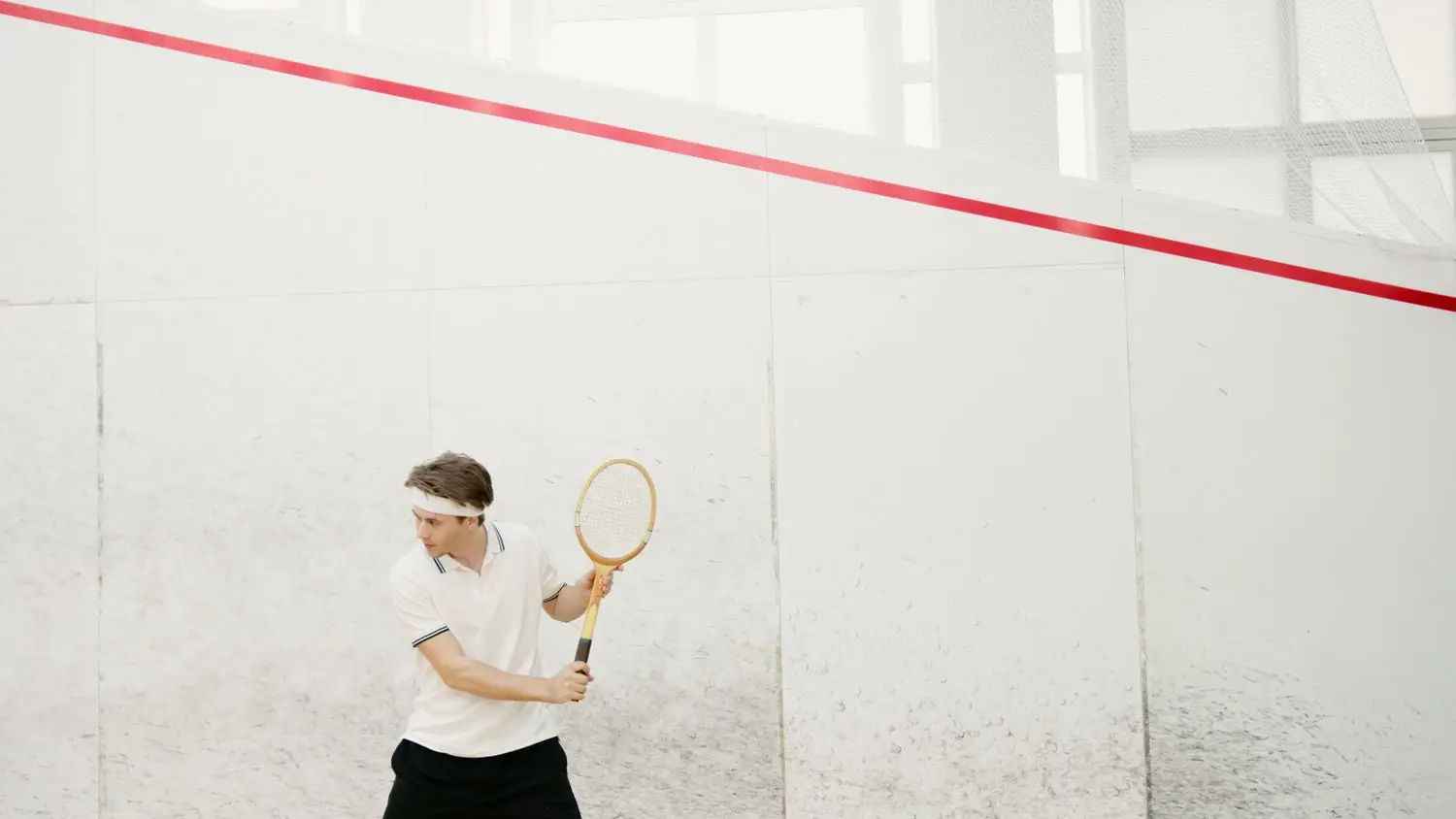
Practice, coached sessions and match play in one club pathway.
Squash improves fastest when movement, racket preparation, shot selection and decision-making are trained together. Our sessions are designed to make those links clear.
Understand spacing, recovery to the T, safe movement patterns and the geometry behind straight length, crosscourt and short play.
Use technical drills and conditioned games to repeat useful patterns instead of simply hitting more balls.
Move from controlled practice into match situations where timing, pressure and tactical choices become part of the lesson.
New players need a different session from experienced competitors. Quellarivienne groups training by practical needs so the pace, drills and match situations stay relevant.
A training plan becomes useful when you can return to it week after week. We keep the pathway simple enough to follow and varied enough to stay challenging.
Identify your current level, playing habits and immediate priorities.
Work through focused technical and movement tasks with clear constraints.
Use drills in conditioned games, club match play and structured challenges.
Review what held up under pressure and decide what the next block should target.
Good squash is not only fast. It is early information, efficient movement and one more useful decision.
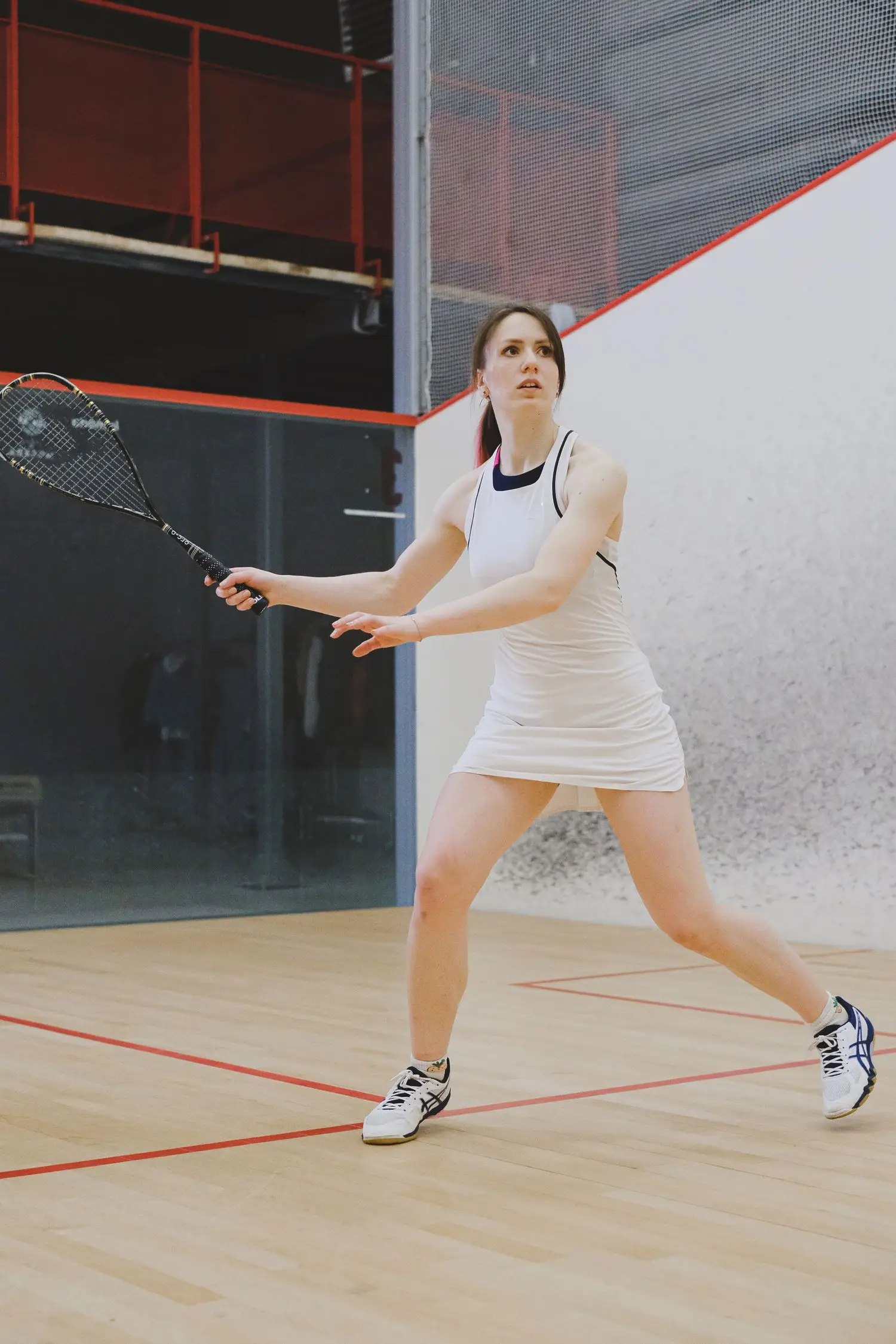
A useful squash lesson is not a list of isolated shots. It helps you read the rally early, arrive balanced, choose a sensible target and recover in a position that keeps the next ball playable.
Length gives a rally structure. Players learn to use straight drives, crosscourts and controlled height to move an opponent away from the T before forcing a short ball. The aim is not simply to hit deeper; it is to understand when depth creates time, when it creates pressure and when a safer neutral ball is the better decision.
Recovery is more than running back to the middle. We connect the shot just played with the likely reply, the opponent's position and the space that must remain clear. This helps players move efficiently, avoid unnecessary steps and prepare the racket earlier for the next contact instead of reacting late.
Attacking is most useful when the rally has created an advantage. Players learn to notice loose length, a late opponent, an open front corner or a ball that can be volleyed. Short shots, volleys and changes of pace are then practised as choices inside a pattern rather than as disconnected tricks.
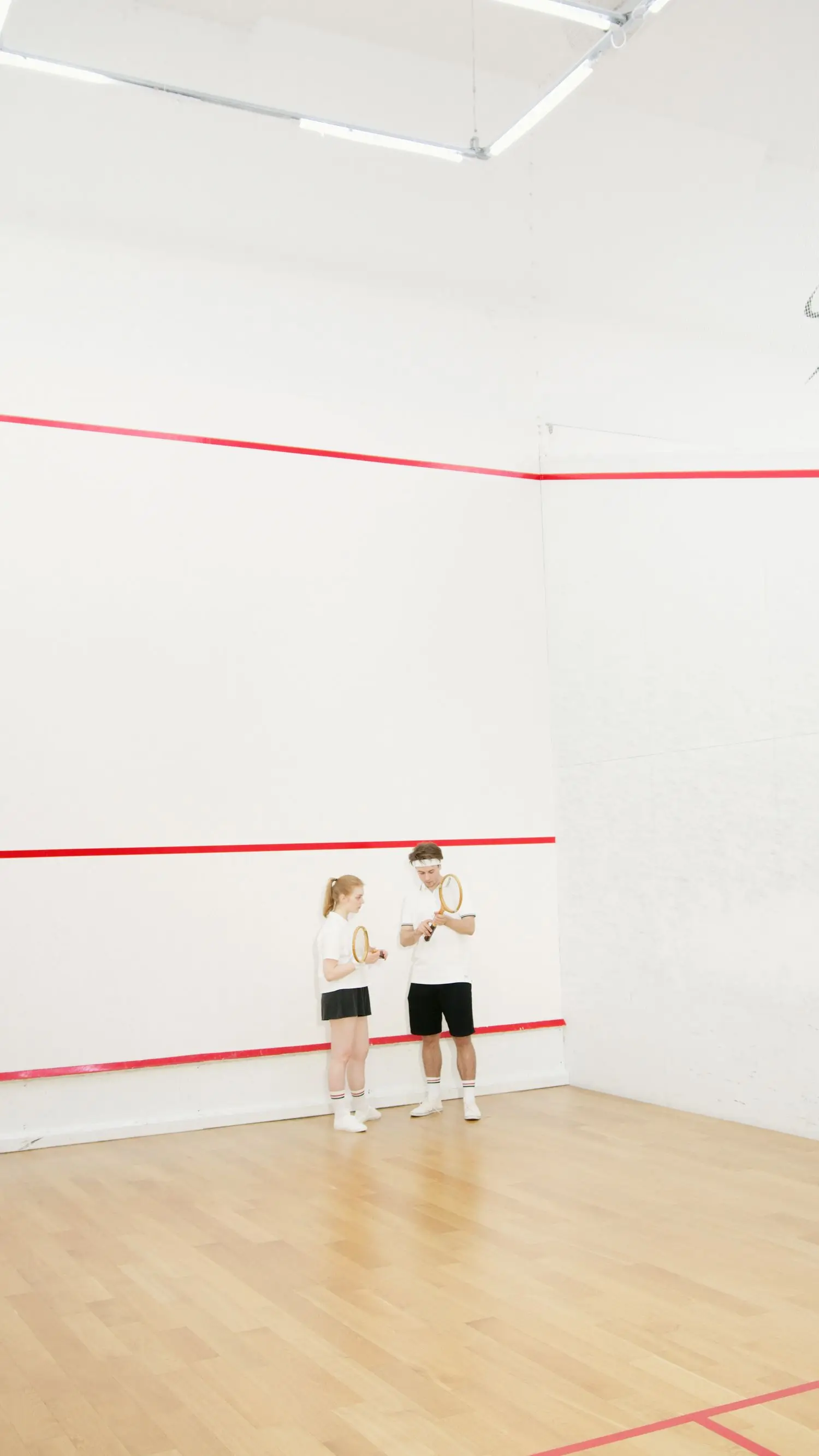
The lines, walls and T position give players a practical reference system for movement and shot selection. Learning those references makes coaching instructions easier to remember during a live rally.
We use simple court landmarks to explain where a good length should die, how a crosscourt should travel through the middle, where a serve should reach the side wall and how far a player can recover without blocking the opponent. That spatial understanding matters at every level because it turns vague advice into something visible.
As consistency improves, the same map supports more advanced ideas: holding the T without standing still, taking the ball earlier, changing the direction of pressure and using height or pace to buy recovery time. Players are encouraged to connect every technical adjustment to the tactical problem it is meant to solve.
Scoring is part of that learning process as well. Rather than treating a game score as a verdict on the session, players can use it to notice patterns: whether points are being lost on serve return, whether pressure disappears after a loose crosscourt, whether recovery becomes late after attacking short, or whether a safer length would have extended the rally. Those observations give the next practice block a concrete purpose.
Different opponents make the same ideas feel different. A hard hitter may reward early preparation and compact recovery, while a patient retriever may require better length and more discipline before attacking. A player who volleys aggressively changes the value of loose crosscourts and slow recovery. Training therefore includes enough variety to help players recognise principles across several playing styles rather than memorising one answer for one drill.
That variety keeps practice connected to the real game and gives each player more than one workable response under pressure.